In this post, we will answer a question that we previously failed at:
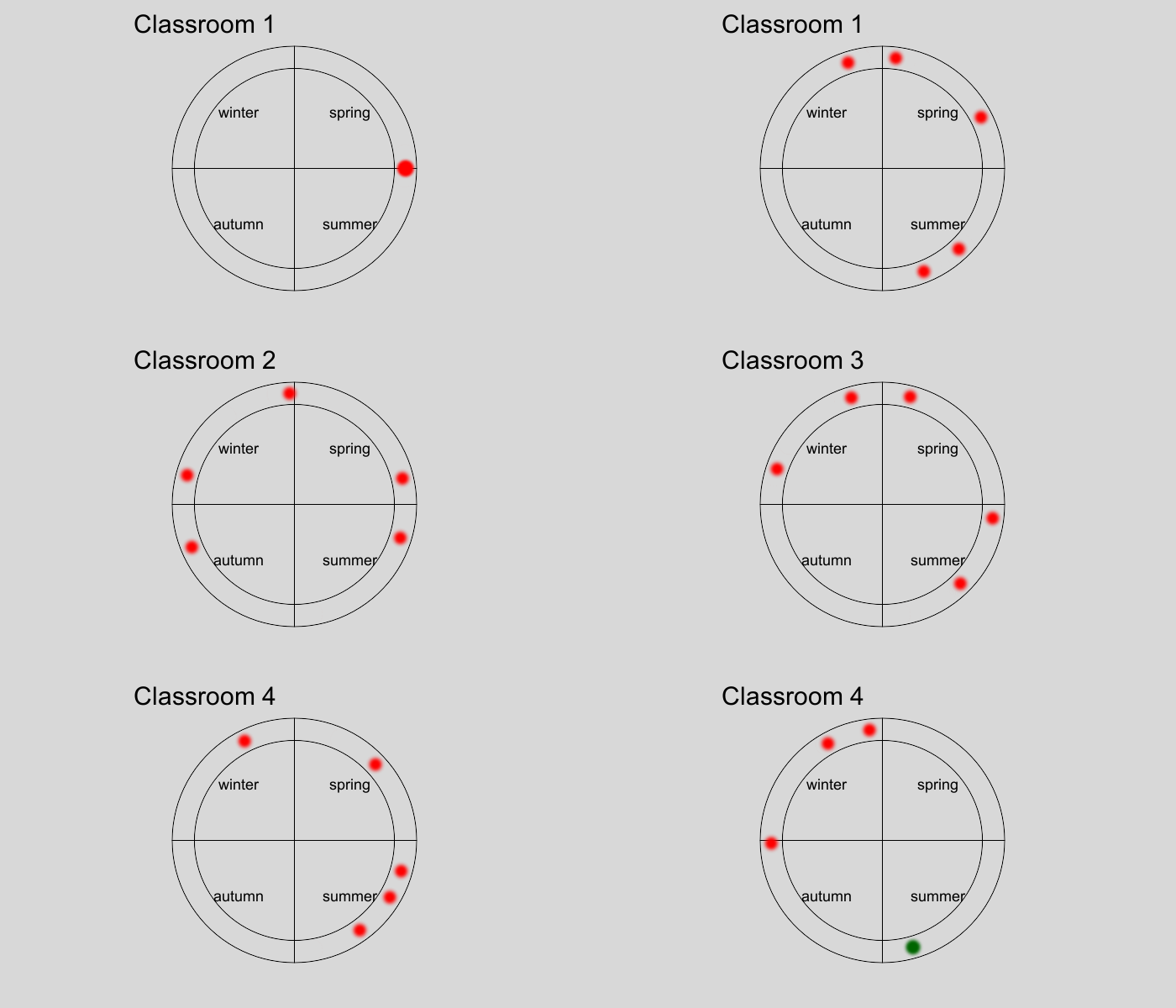
What is the probability that two students in a classroom share the same birthday?
This is described as a paradox because for a classroom of realistic size, the probability is surprisingly higher than intuitively expected.
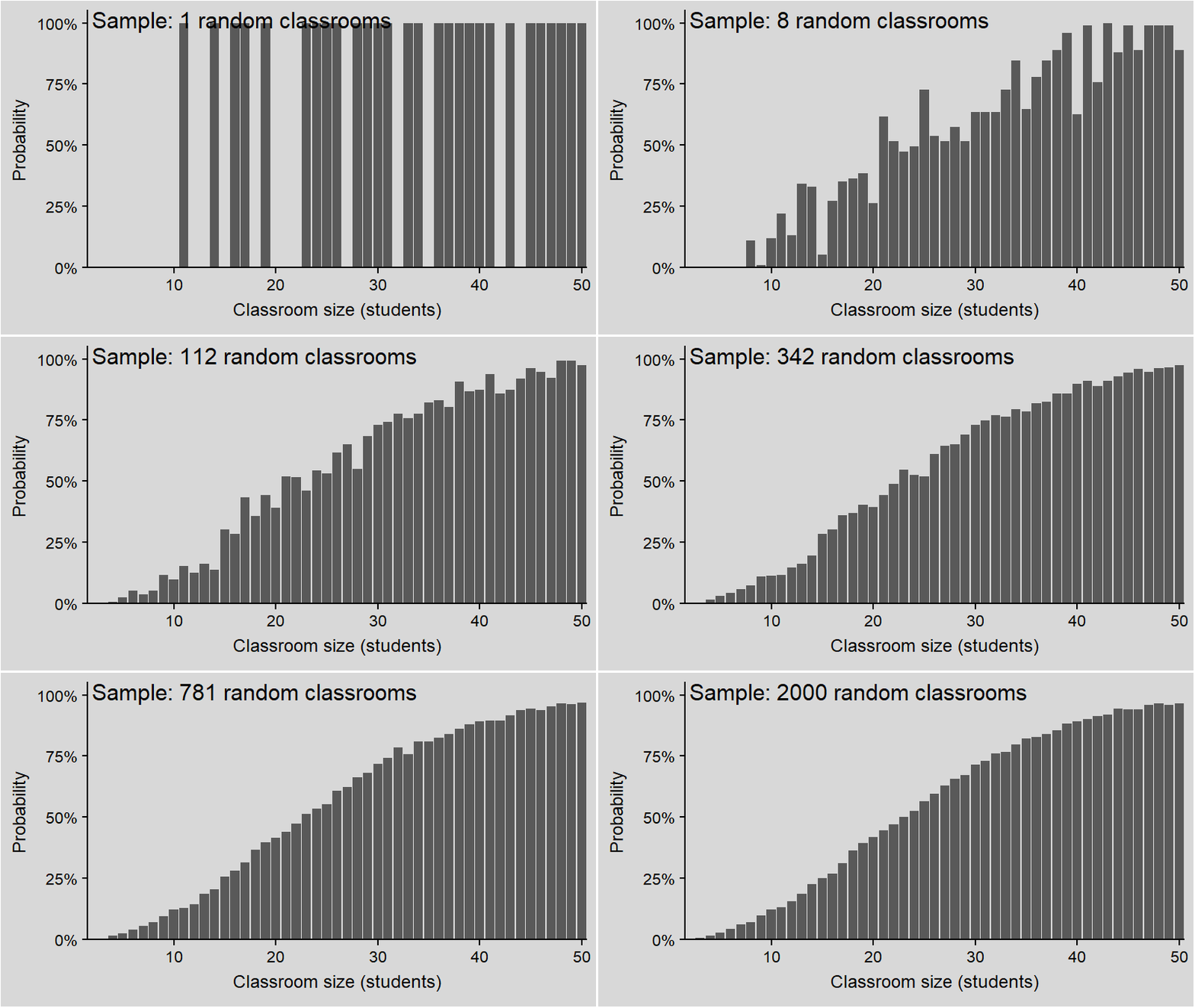
Previously, we could only solve this for very small classrooms of 2 or 3 students. The reason? Too much data.
We will now get around this obstacle by the means of random sampling.
“To state a theorem and then to show examples of it is literally to teach backwards.” (E. Kim Nebeuts)
Ever felt excited for discovering something that is already kinda known? Not necessarily for the discovery itself, but because you achieved it on your own and actually overcame an obstacle with it.
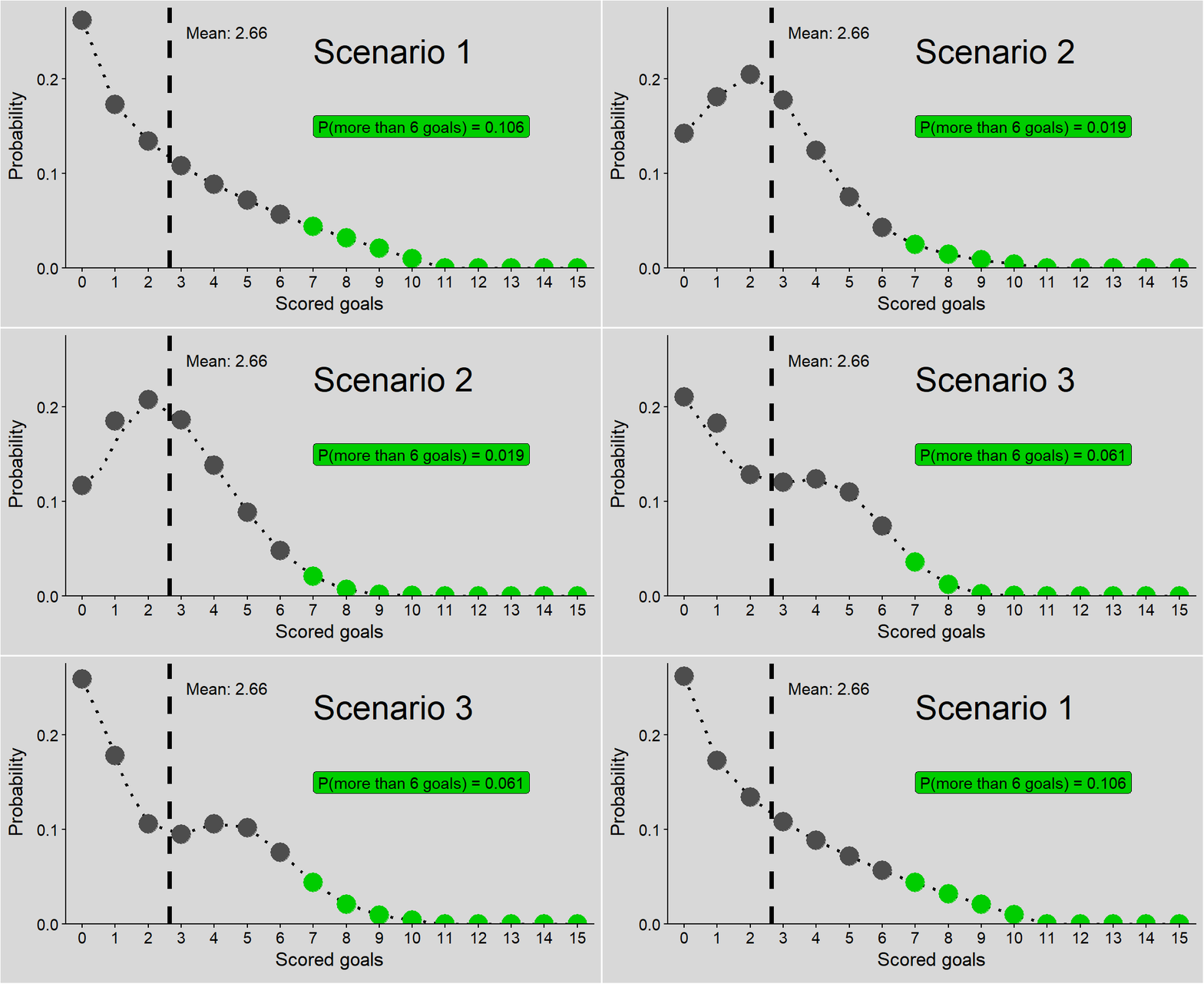
This is how I feel about this story, and hopefully you will too. Starting from a small puzzle about football, we’re going to build the solution from scratch and see how -without knowing it- we just applied the law of rare events.
After the “toy problem” of the previous post, I decided to take a chance at a more tangible, real-world question. Consider this one:
What is the probability that two students in a classroom share the same birthday?
Intuitively (and correctly), you might think it depends on the total number of students. But for a realistic classroom of around 20 students, the probability should be quite low - whatever “low” means. After all, how many times have you witnessed that?