In this post, we will answer a question that we previously failed at:
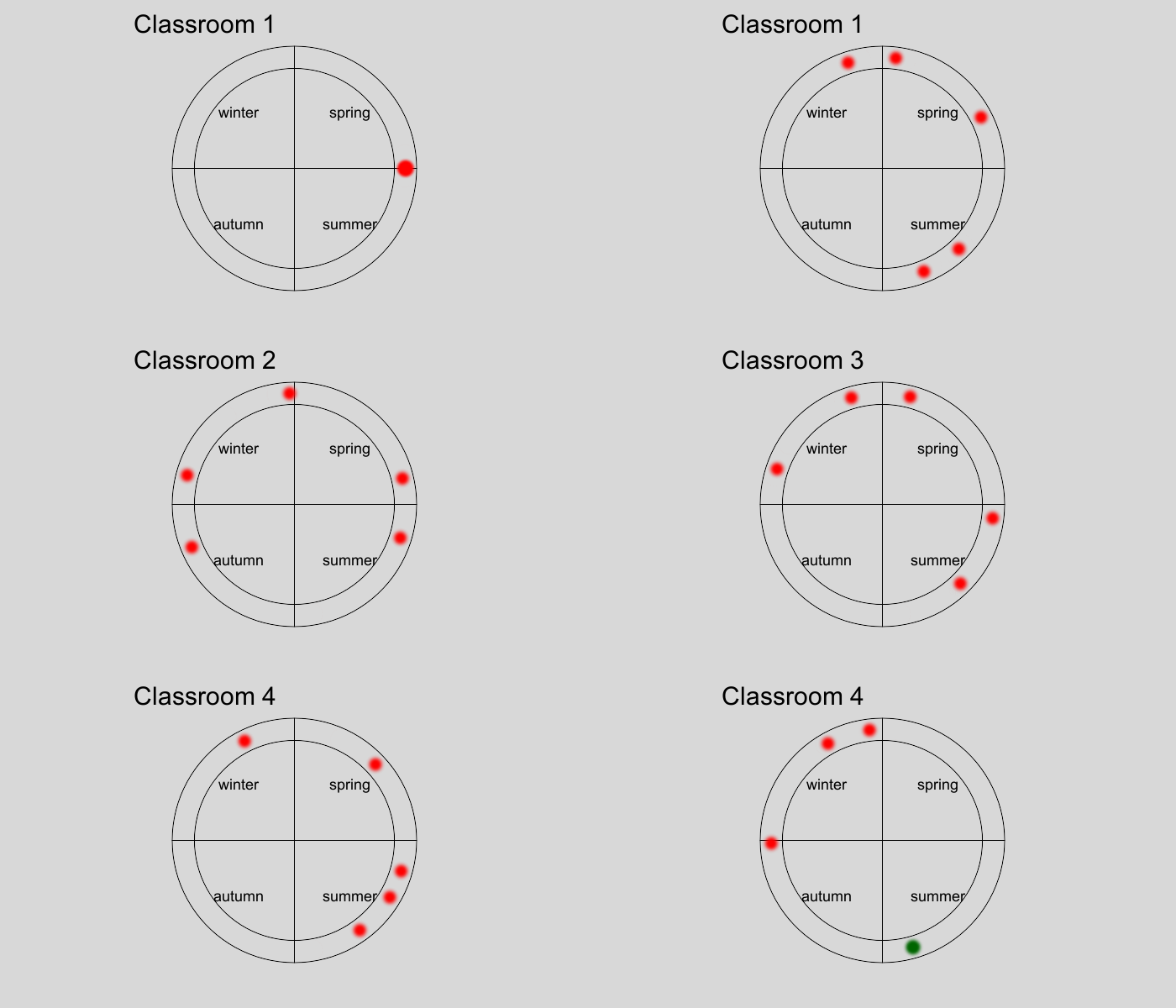
What is the probability that two students in a classroom share the same birthday?
This is described as a paradox because for a classroom of realistic size, the probability is surprisingly higher than intuitively expected.
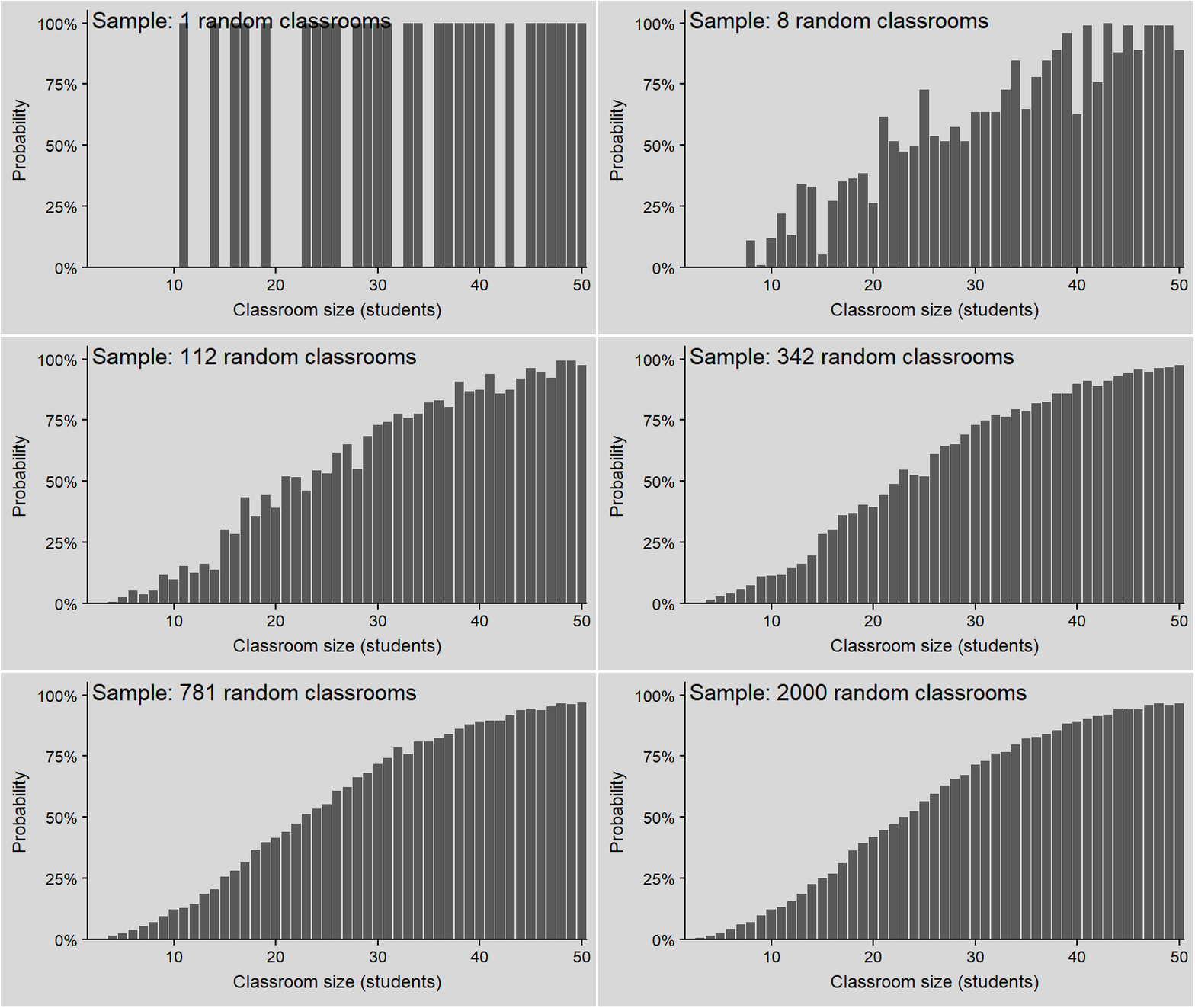
Previously, we could only solve this for very small classrooms of 2 or 3 students. The reason? Too much data.
We will now get around this obstacle by the means of random sampling.
After the “toy problem” of the previous post, I decided to take a chance at a more tangible, real-world question. Consider this one:
What is the probability that two students in a classroom share the same birthday?
Intuitively (and correctly), you might think it depends on the total number of students. But for a realistic classroom of around 20 students, the probability should be quite low - whatever “low” means. After all, how many times have you witnessed that?
I stumbled upon a probability exercise when I had just built enough confidence with R scripting, and I was looking for “toy problems” to play with. It was a simple brain teaser, barely more complicated than the well-known coin toss. I could solve it with pen and paper, but I wanted to squeeze out of it as much as I could.
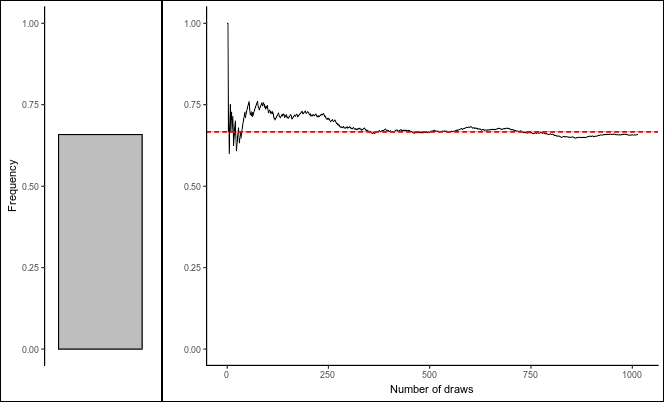
My central thesis in this post is that, if we formulate our assumptions well, we can turn questions about probability into questions about data.